

Intermodal Services: Smart and Cost-Effective Freight Transportation Solutions
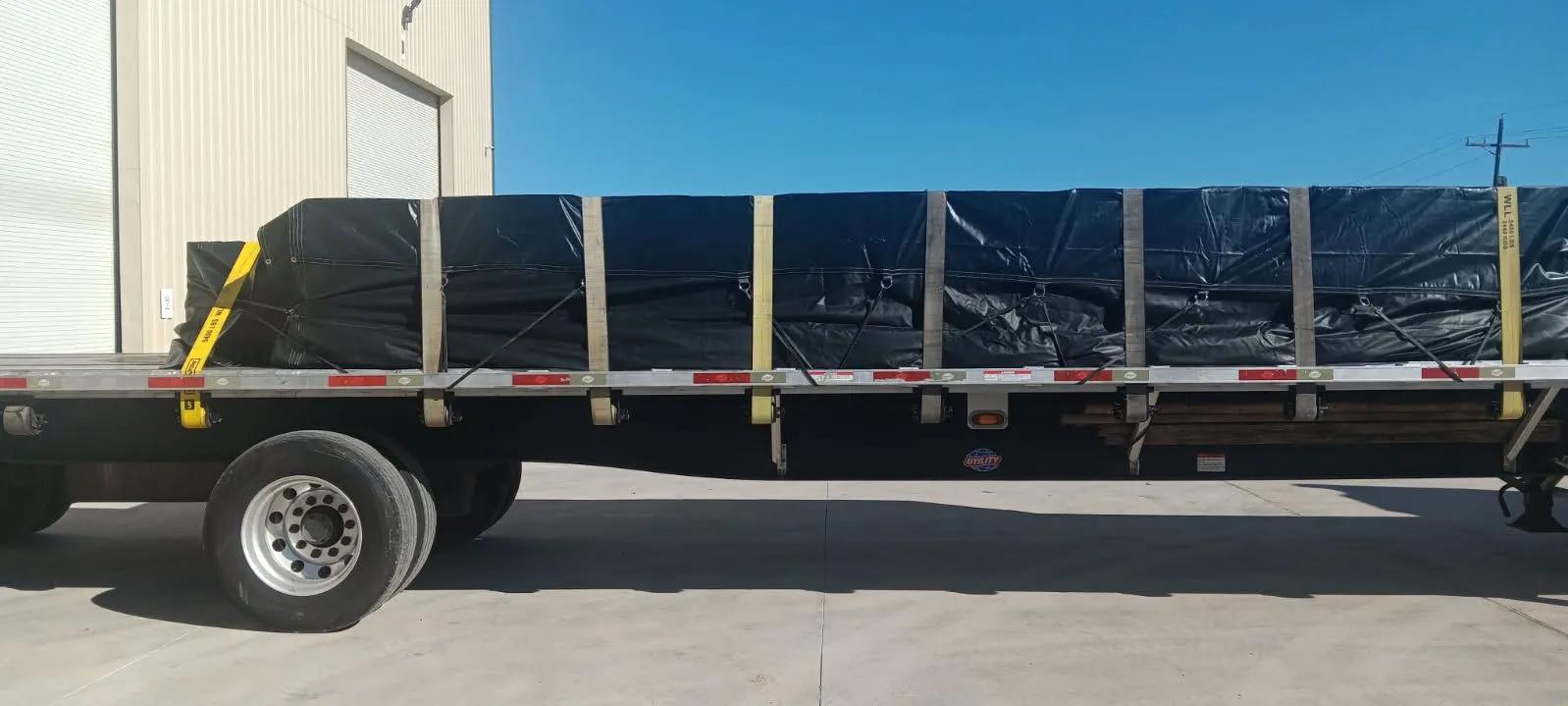
In today's rapidly evolving logistics industry, businesses require transportation solutions that are efficient, reliable, and cost-effective. As supply chains become more complex and customer expectations continue to rise, companies are seeking innovative ways to move goods across long distances while maintaining control over costs and delivery schedules. One of the most effective solutions available is intermodal transportation. Intermodal services combine multiple modes of transportation, such as trucks, rail, ships, and sometimes air freight, to move cargo efficiently from origin to destination.
Intermodal transportation has become an essential part of modern logistics because it offers flexibility, sustainability, and improved supply chain performance. By utilizing the strengths of different transportation methods, businesses can optimize freight movement and gain a competitive advantage in the marketplace.
What Are Intermodal Services?
Intermodal services involve transporting freight using two or more transportation modes while keeping the cargo in the same container or trailer throughout the journey. This minimizes handling of the goods themselves, reducing the risk of damage, loss, and delays.
A typical intermodal shipment may begin with a truck picking up a container from a warehouse. The container is then transferred to a rail network for long-distance transportation and finally delivered by truck to its final destination. Throughout the process, the cargo remains in the same container, ensuring security and efficiency.
How Intermodal Transportation Works
Intermodal transportation relies on seamless coordination between different transportation providers and logistics partners. The process generally includes several key stages.
Freight Pickup
The shipment is collected from the shipper's location using a truck and transported to an intermodal terminal.
Rail Transportation
The container is loaded onto a train for the long-haul portion of the journey. Rail transportation is particularly effective for moving large quantities of freight over long distances.
Destination Transfer
Upon reaching the destination terminal, the container is transferred back to a truck for final delivery.
Final Delivery
The shipment is delivered directly to the customer's warehouse, distribution center, or retail location.
This integrated approach allows businesses to benefit from the strengths of both trucking and rail transportation.
Benefits of Intermodal Services
Intermodal transportation offers numerous advantages that make it a preferred option for many businesses.
Cost Savings
One of the biggest benefits of intermodal services is reduced transportation costs. Rail transport is generally more fuel-efficient than long-haul trucking, especially for large shipments traveling significant distances. Combining rail and truck transportation helps businesses lower shipping expenses without sacrificing reliability.
Improved Fuel Efficiency
Railroads can move large amounts of freight using significantly less fuel than trucks. This increased efficiency helps companies reduce transportation costs while improving sustainability efforts.
Enhanced Capacity
Intermodal transportation provides access to extensive rail networks and transportation infrastructure. This additional capacity can be especially valuable during peak shipping seasons when truck availability may be limited.
Reduced Cargo Handling
Because cargo remains in the same container throughout the journey, there is less loading and unloading of products. This minimizes the risk of freight damage, theft, and loss.
Environmental Sustainability
Many organizations are prioritizing environmentally responsible business practices. Intermodal transportation reduces greenhouse gas emissions compared to truck-only transportation, making it a greener logistics solution.
Industries That Benefit from Intermodal Services
Intermodal transportation supports a wide range of industries that require reliable and cost-effective freight movement.
Retail and E-Commerce
Retailers and e-commerce businesses use intermodal services to transport inventory efficiently between suppliers, distribution centers, and stores.
Manufacturing
Manufacturers rely on intermodal transportation to move raw materials, components, and finished products across regional and national markets.
Food and Beverage
Temperature-controlled intermodal solutions help food and beverage companies transport products safely while maintaining quality standards.
Consumer Goods
Businesses that distribute household products, electronics, and packaged goods benefit from intermodal transportation's reliability and scalability.
Automotive
Automotive manufacturers use intermodal services to move parts and vehicles throughout their supply chains while controlling transportation costs.
Technology and Intermodal Services
Modern technology has significantly improved the effectiveness of intermodal transportation.
Real-Time Shipment Tracking
Advanced tracking systems provide visibility throughout the shipping process. Businesses can monitor shipment locations, estimated delivery times, and transportation status updates.
Transportation Management Systems
Transportation Management Systems (TMS) help coordinate multiple transportation modes, optimize routing, and streamline logistics operations.
Data Analytics
Data-driven insights allow logistics providers to identify opportunities for cost reduction, improved transit times, and enhanced supply chain performance.
Why Businesses Choose Intermodal Transportation
Businesses select intermodal services because they offer a balanced combination of cost efficiency, reliability, and sustainability. By integrating trucking and rail transportation, companies can reduce shipping expenses while maintaining consistent service levels.
Intermodal transportation is particularly effective for long-distance freight movement where cost savings and environmental benefits are significant. It also provides flexibility to adapt to changing supply chain demands and transportation market conditions.
Conclusion
Intermodal services have become a vital component of modern freight transportation strategies. By combining the advantages of multiple transportation modes, businesses can achieve greater efficiency, lower costs, and improved supply chain reliability. From retail and manufacturing to automotive and consumer goods industries, organizations across various sectors rely on intermodal transportation to support their logistics operations.
As transportation technology continues to evolve and sustainability becomes increasingly important, intermodal services will remain a valuable solution for companies seeking smart, flexible, and cost-effective freight transportation options. Businesses that incorporate intermodal shipping into their logistics strategies can enhance operational performance, improve customer satisfaction, and position themselves for long-term growth in a competitive marketplace.