

Intermodal Solutions: Efficient, Flexible, and Reliable Freight Transportation
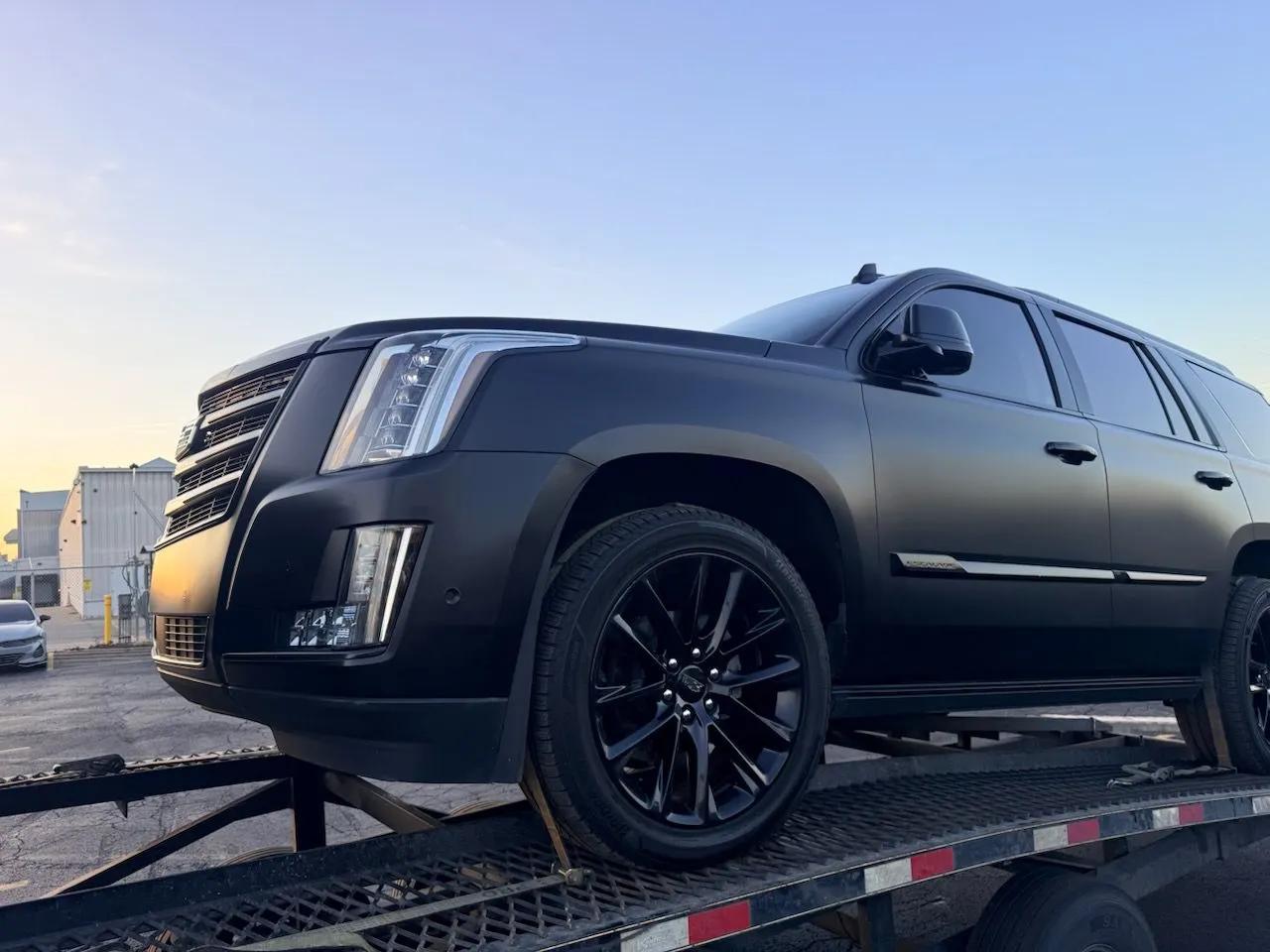
Intermodal solutions have become an important part of modern freight transportation, helping businesses move goods efficiently across different modes of transportation. By combining rail, truck, and other transportation methods within a single shipment, intermodal shipping provides businesses with greater flexibility, improved efficiency, and opportunities to control transportation costs.
As supply chains become more complex and customer expectations continue to increase, companies need transportation solutions that can adapt to changing market conditions. Intermodal transportation offers a practical approach by connecting multiple transportation networks and allowing freight to move smoothly from its origin to its final destination.
What Are Intermodal Solutions?
Intermodal solutions involve transporting freight using two or more modes of transportation without handling the cargo itself when changing modes. A typical shipment may begin with a truck, move by rail for a long-distance portion of the journey, and then return to a truck for final delivery.
The freight is generally loaded into a standardized container or trailer that can be transferred between transportation modes. This reduces the need to unload and reload individual products during the journey.
For example, a shipment traveling across the United States might be picked up by a truck at a manufacturing facility, transported to a rail terminal, moved by train across several states, and then transferred to another truck for final-mile delivery.
How Intermodal Transportation Works
The intermodal process begins when freight is collected from the shipper. A trucking carrier transports the shipment to an intermodal terminal, where the container is transferred to rail transportation.
Rail can then carry the freight over long distances, often providing an efficient alternative to moving the entire shipment by truck. Once the train reaches a destination terminal, another truck transports the container to the customer's warehouse, distribution center, or final delivery location.
Successful intermodal transportation requires careful coordination between carriers, rail providers, terminals, drivers, and logistics professionals. Effective planning helps ensure that each stage of transportation connects smoothly.
Benefits of Intermodal Solutions
Cost Efficiency
One of the major advantages of intermodal transportation is the potential for transportation cost savings. Rail can be highly efficient for long-distance freight movement, particularly when compared with transporting the entire shipment by truck.
Businesses can use trucking for short-distance pickup and delivery while taking advantage of rail for longer portions of the route. This combination can help companies manage transportation expenses while maintaining dependable freight movement.
Improved Capacity
Intermodal solutions can also provide additional transportation capacity. Trucking capacity can fluctuate because of driver availability, fuel prices, seasonal demand, and other market conditions.
By incorporating rail into a transportation strategy, businesses gain access to another transportation network. This can provide greater flexibility when truck capacity becomes limited.
Long-Distance Transportation
Rail is particularly useful for moving large volumes of freight across long distances. Intermodal transportation allows companies to combine the strengths of rail and trucking.
Instead of relying entirely on trucks for cross-country shipments, businesses can use rail for the long-haul portion and trucks for local pickup and delivery.
Greater Supply Chain Flexibility
Every supply chain has different transportation requirements. Some shipments require fast delivery, while others prioritize cost efficiency and predictable transportation.
Intermodal solutions allow businesses to create transportation plans based on their specific requirements. Logistics providers can evaluate shipment size, destination, timing, and budget to determine an appropriate combination of transportation modes.
Reduced Road Dependence
Using rail for a portion of a shipment's journey can reduce dependence on highways. This can be especially useful for businesses shipping freight over significant distances.
By moving some freight by rail instead of relying entirely on trucks, companies can diversify their transportation strategies and potentially reduce exposure to highway congestion and trucking capacity challenges.
Industries That Can Benefit From Intermodal Solutions
Intermodal transportation can support many industries that regularly move large quantities of goods.
Manufacturing companies can use intermodal services to transport raw materials, components, and finished products between facilities and distribution centers.
Retail businesses can use intermodal transportation to move inventory between suppliers, warehouses, and stores.
Automotive companies may benefit from intermodal transportation for moving vehicle components and other manufacturing materials.
Food and beverage businesses can use specialized containers and transportation networks to move appropriate products between production and distribution locations.
Construction and industrial companies can also use intermodal solutions when transporting heavy or large-volume freight over long distances.
Intermodal vs. Traditional Truckload Shipping
Traditional truckload transportation generally uses one truck to move freight from the pickup location to the destination. This can be a convenient option for shipments requiring direct transportation and fast delivery.
Intermodal transportation, however, combines multiple modes. A shipment may use trucks for shorter distances and rail for the long-haul portion.
The best option depends on factors such as distance, delivery deadlines, shipment characteristics, available transportation capacity, and overall logistics requirements. Businesses should evaluate each shipment individually rather than assuming one transportation method is always better.
The Role of Logistics Providers
Managing intermodal shipments can require significant coordination. Logistics providers can help businesses plan routes, coordinate transportation partners, monitor shipments, and manage changes throughout the delivery process.
An experienced logistics provider can also help determine when intermodal transportation makes sense and when another freight solution may be more appropriate.
Technology plays an important role as well. Shipment tracking systems, transportation management platforms, digital documentation, and communication tools can improve visibility throughout the transportation process.
Choosing the Right Intermodal Solution
When selecting an intermodal transportation provider, businesses should consider several factors. Experience, service coverage, carrier relationships, communication, tracking capabilities, and customer support can all affect the overall shipping experience.
It is also important to consider the provider's ability to handle different shipment requirements. A flexible logistics partner should be able to develop transportation solutions based on the customer's freight, destinations, schedules, and business objectives.
Conclusion
Intermodal solutions provide businesses with a flexible approach to freight transportation by combining the strengths of trucking, rail, and other transportation modes. From improving long-distance shipping efficiency to expanding transportation capacity, intermodal services can play an important role in modern supply chain management.
As businesses continue to look for reliable and cost-conscious ways to move freight, intermodal transportation offers a valuable alternative to relying on a single transportation mode. With effective planning, technology, and the right logistics partner, companies can build a transportation strategy that supports dependable deliveries and long-term supply chain growth.